
Passenger vehicles
Vehicle size, expected speed and local climate form the starting point. Tire size and ratings must be checked against the vehicle information and product documentation before selection.
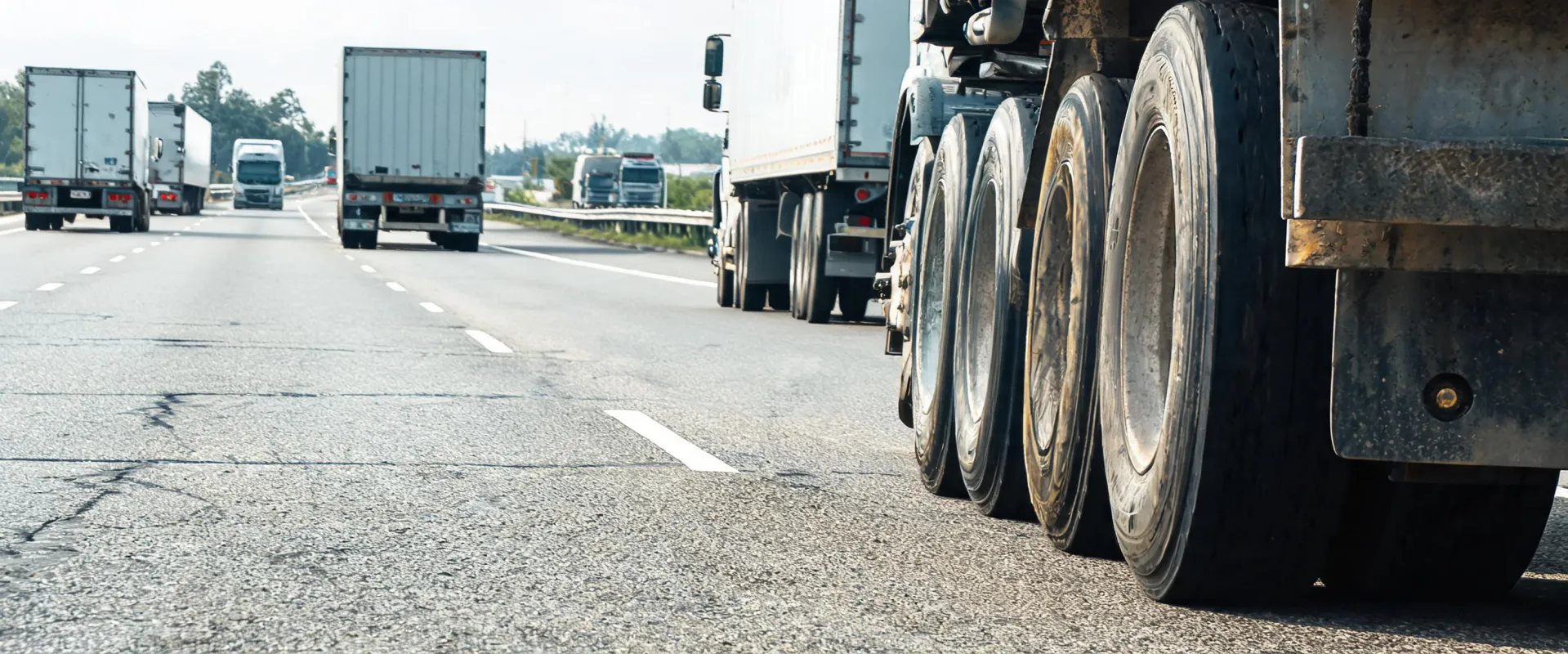
Review use cases in terms of load, speed, surfaces and service requirements.
Vehicle size, expected speed and local climate form the starting point. Tire size and ratings must be checked against the vehicle information and product documentation before selection.

Frequent stops, curb exposure and varied payloads create a different service profile from highway driving. Record axle loads and route conditions when assessing commercial tires.
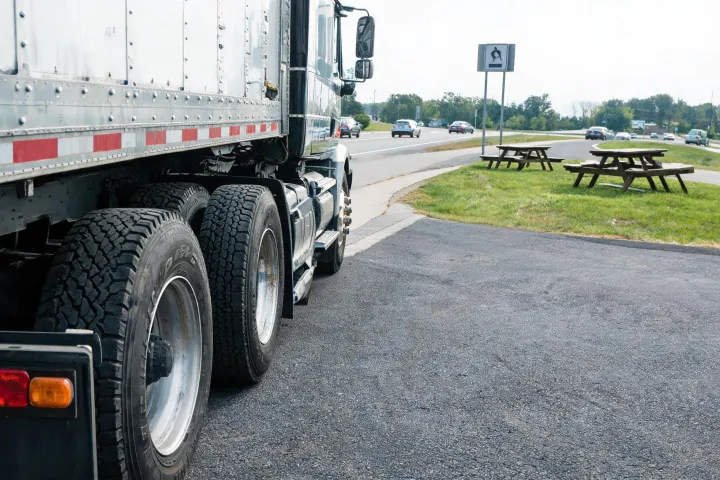
Route mix, axle position, inflation practices and replacement planning all affect a fleet comparison. Evaluate rolling resistance, wet grip and service life under the conditions relevant to the operation.
Mixed-surface routes add another consideration: tread pattern and construction must suit the actual balance of road and unpaved use. No single pattern should be assumed to fit every vehicle or journey.
Lower rolling resistance may reduce energy demand, while a grip or durability priority may suit wet roads or demanding service; compare both under the same route and load conditions. Radial construction is often considered for heat management and road use, while bias construction may be considered for sidewall stiffness in some low-speed severe service. Neither choice is universal: check the approved tire size, load index, speed rating and intended duty with the manufacturer.
Share a route, vehicle and load profile to begin a product-specific conversation.