Application matrix
Describe the vehicle, axle position, route, climate and expected loads. A matrix makes differences between urban delivery, highway and mixed-road use visible before comparing patterns.
From operating profile to documentation, a structured inquiry makes the technical conversation more useful.
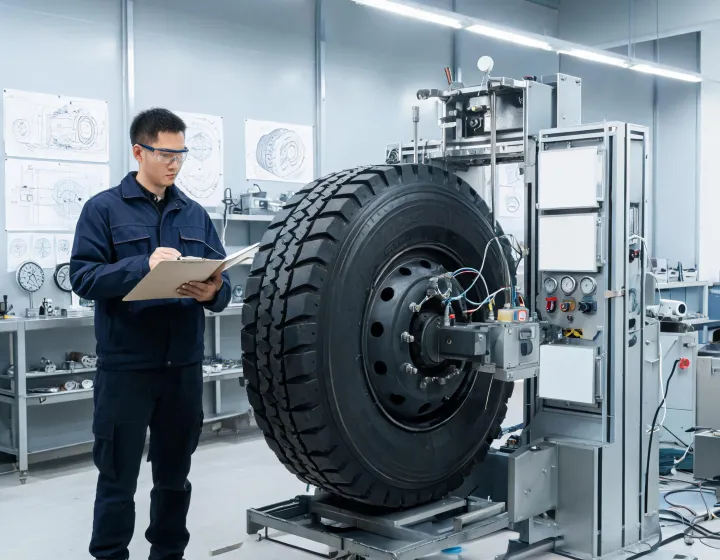
Each program starts with its own operating constraints. These workstreams help buyers assemble the information needed for a practical tire review.
Describe the vehicle, axle position, route, climate and expected loads. A matrix makes differences between urban delivery, highway and mixed-road use visible before comparing patterns.
Check tire size, construction, load index and speed rating against the vehicle requirements. Confirm rim compatibility and inflation guidance with the relevant product documentation.
Set the sample, duty cycle, test method and acceptance criteria before a trial. Record the actual conditions so results can be interpreted in context.
Discuss quantities, replacement intervals and regional requirements. Availability and delivery commitments are confirmed for the specific inquiry rather than assumed.
These are review stages, not performance claims. The final choice depends on product specifications, vehicle manufacturer requirements and the conditions of use.
Send the vehicle platform, size, duty cycle, quantity and target market to start the review.